The once-majestic prairies, savannas, and woodlands of Illinois have suffered the effects of nearly two centuries of farming and development—including plowing, overgrazing, fire suppression, fragmentation, and the introduction of numerous invasive plant and animal species. Restoration seeks to reestablish a more natural balance on the open lands that remain, and to create favorable conditions that can better support a wide diversity of natural plant and animal life.
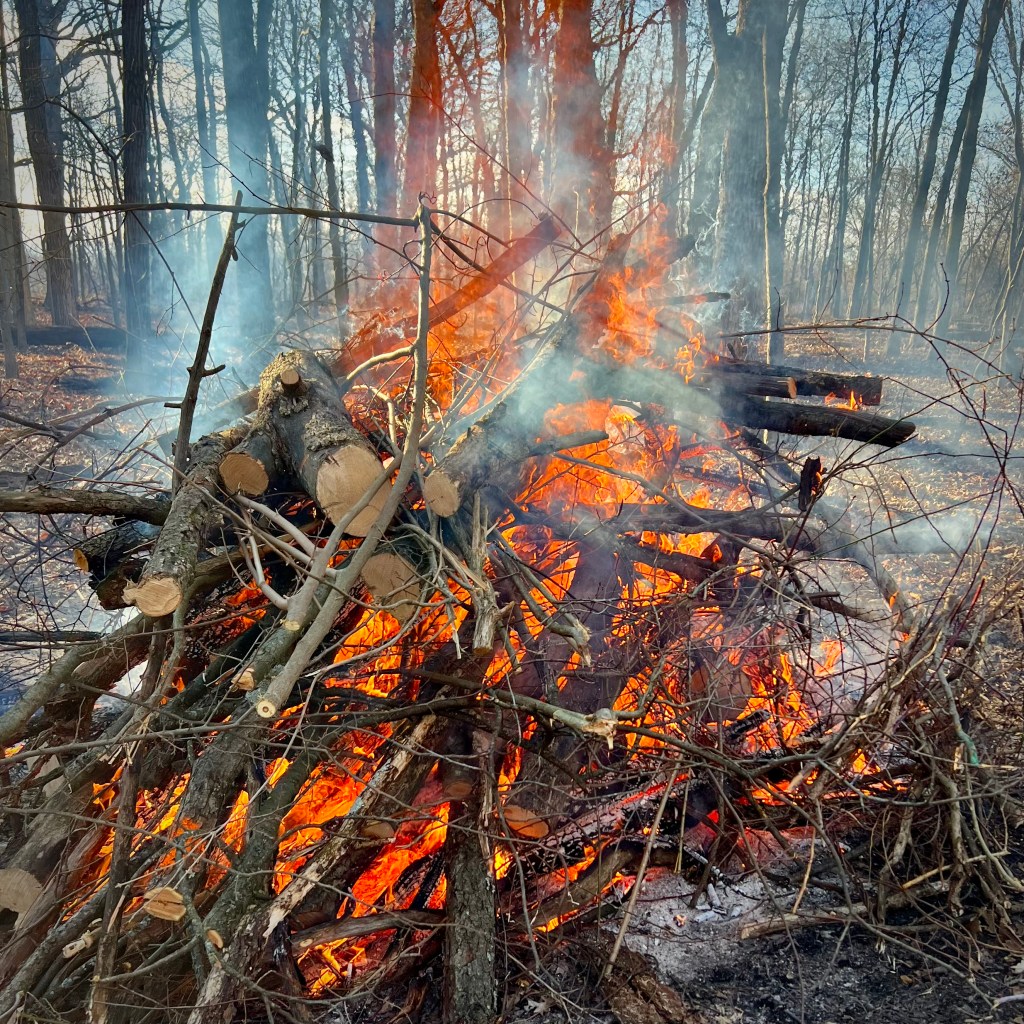
Invasive Brush Removal & Burn Piles
In some areas, restoring prairie and oak woodland means removing trees. That may sound counterintuitive—but many of these trees are aggressive, non-native species that crowd out light and suppress native plants.
One of the most damaging is European Buckthorn, which now dominates millions of acres in the Midwest. Buckthorn has become invasive in the U.S. because it:
- shades out other plants
- contains a chemical, emodin, that prevents germination, growth, and survival of other plant species
- the bacteria, viruses, insects and animals that would harm, eat, or kill it are not present in the United States
Removing buckthorn and other woody invasives restores sunlight to the forest floor, allowing remnant wildflowers, grasses, and sedges to rebound.
Many of our Poplar Creek Prairie Stewards volunteers are trained and certified through the Forest Preserves of Cook County to operate chainsaws and supervise the burning of cut wood—the most effective and ecologically sound methods of disposal at our scale. All burns are coordinated with the FPCC and local emergency services to ensure safety and compliance with local regulations.
Manual Removal & Scything
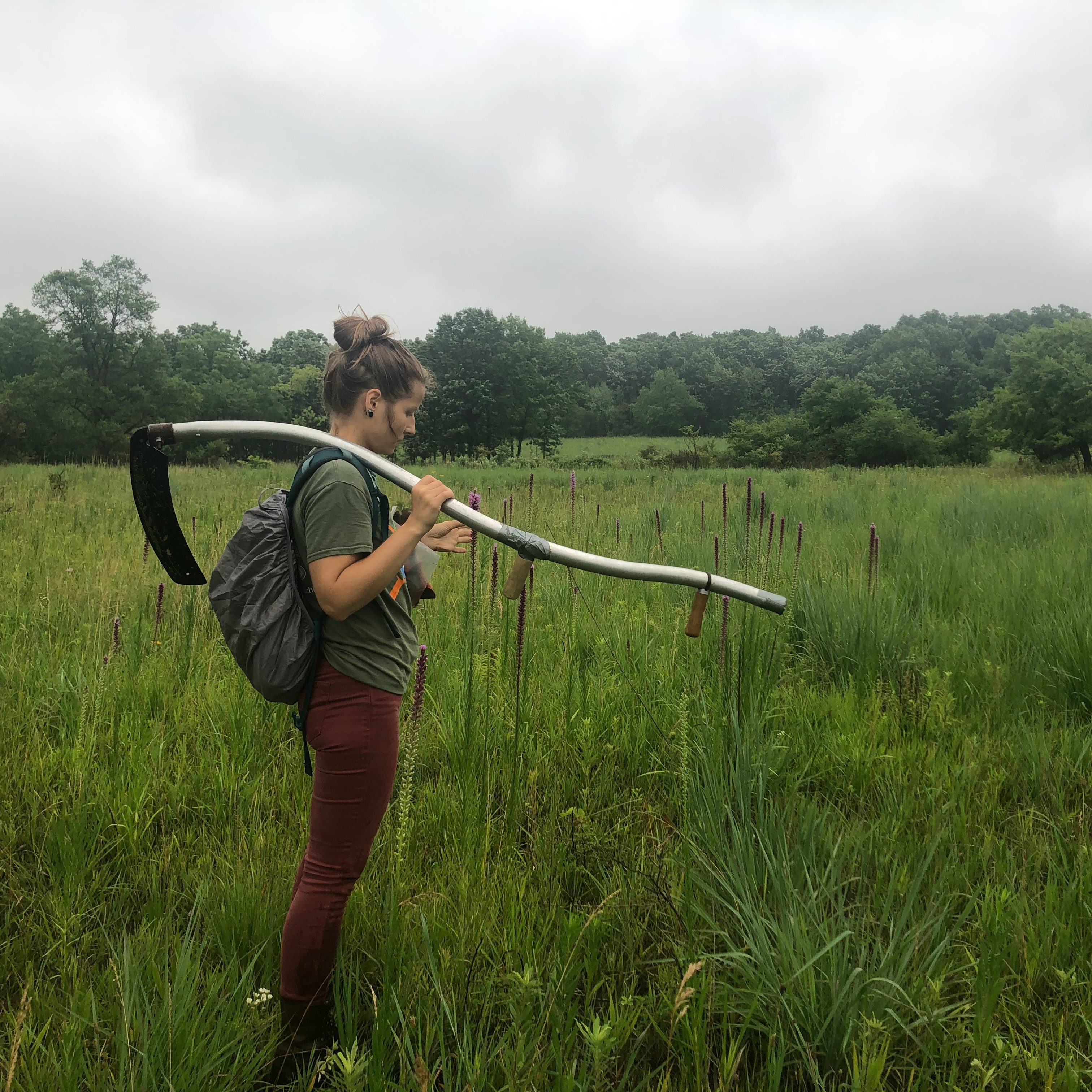
Not all restoration requires heavy equipment. Much of our work is done by hand.
Volunteers hand-pull garlic mustard, Japanese hedge parsley, and other invasive species before they set seed. In some areas, we use scythes to selectively remove invasive plants while minimizing soil disturbance.
Manual removal is especially important in high-quality remnant areas where native species already exist. This careful, targeted approach protects sensitive habitat while preventing invasive species from gaining a foothold.
Controlled Burns
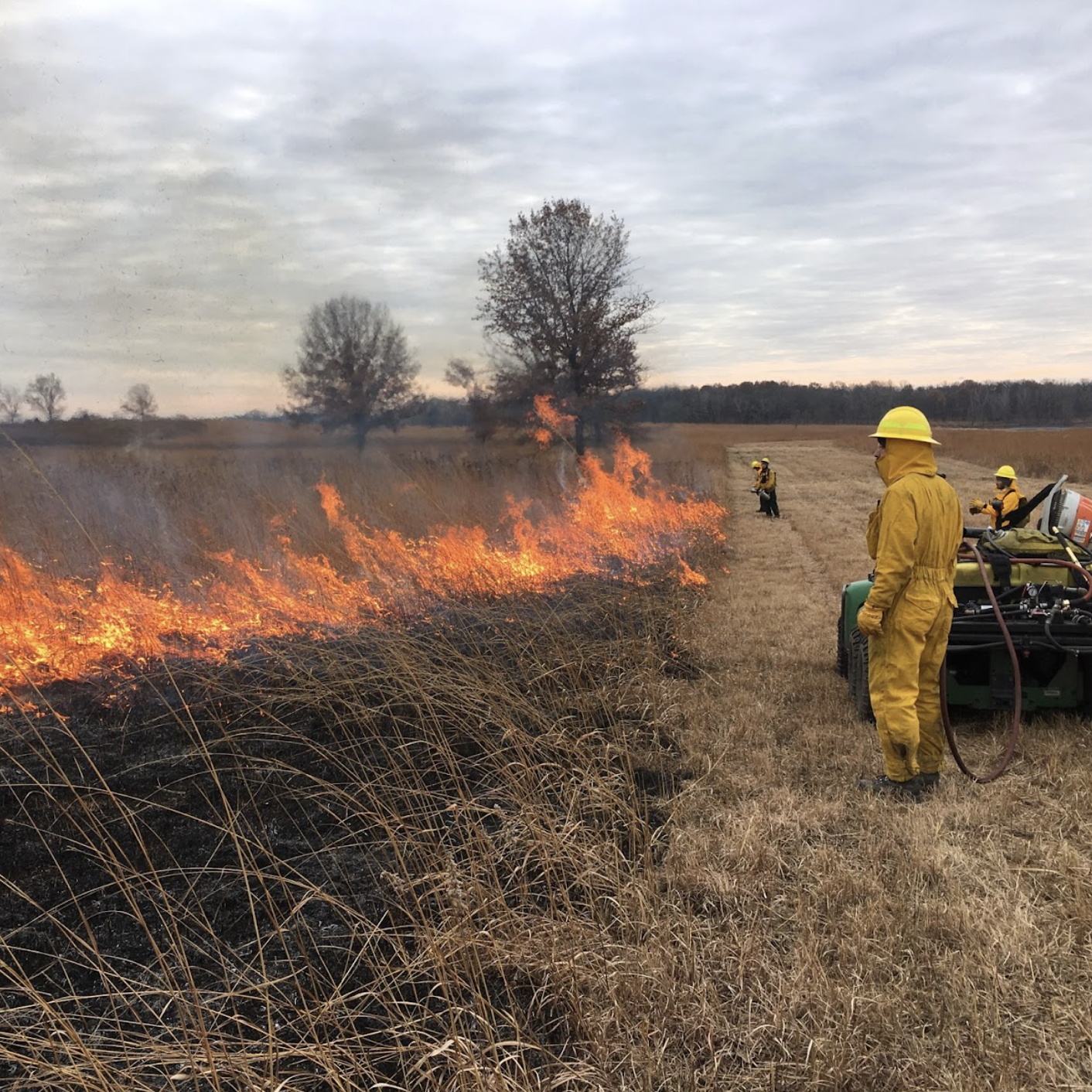
Fire is not a destructive force in prairie and oak ecosystems—it is a renewing one.
For thousands of years, periodic fire maintained Illinois’ prairies and open woodlands. Fire suppresses invasive woody growth, recycles nutrients, stimulates native plant germination, and creates habitat diversity for wildlife. The Illinois prairie and open woodland plants and animals evolved with fire. For instance, White and Bur Oaks evolved thick bark to withstand fire, flowers germinate better when last year’s growth has burned off, and grassland birds depend on fires to inhibit the growth of trees and shrubs.
PCPS does not conduct controlled burns ourselves. All burns are managed by the Forest Preserves of Cook County and overseen by professional, certified burn bosses under strict safety protocols.
Without fire, prairie becomes shrubland, and oak woodland becomes closed forest. With fire, biodiversity flourishes.
Seed Collection, Processing & Native Planting
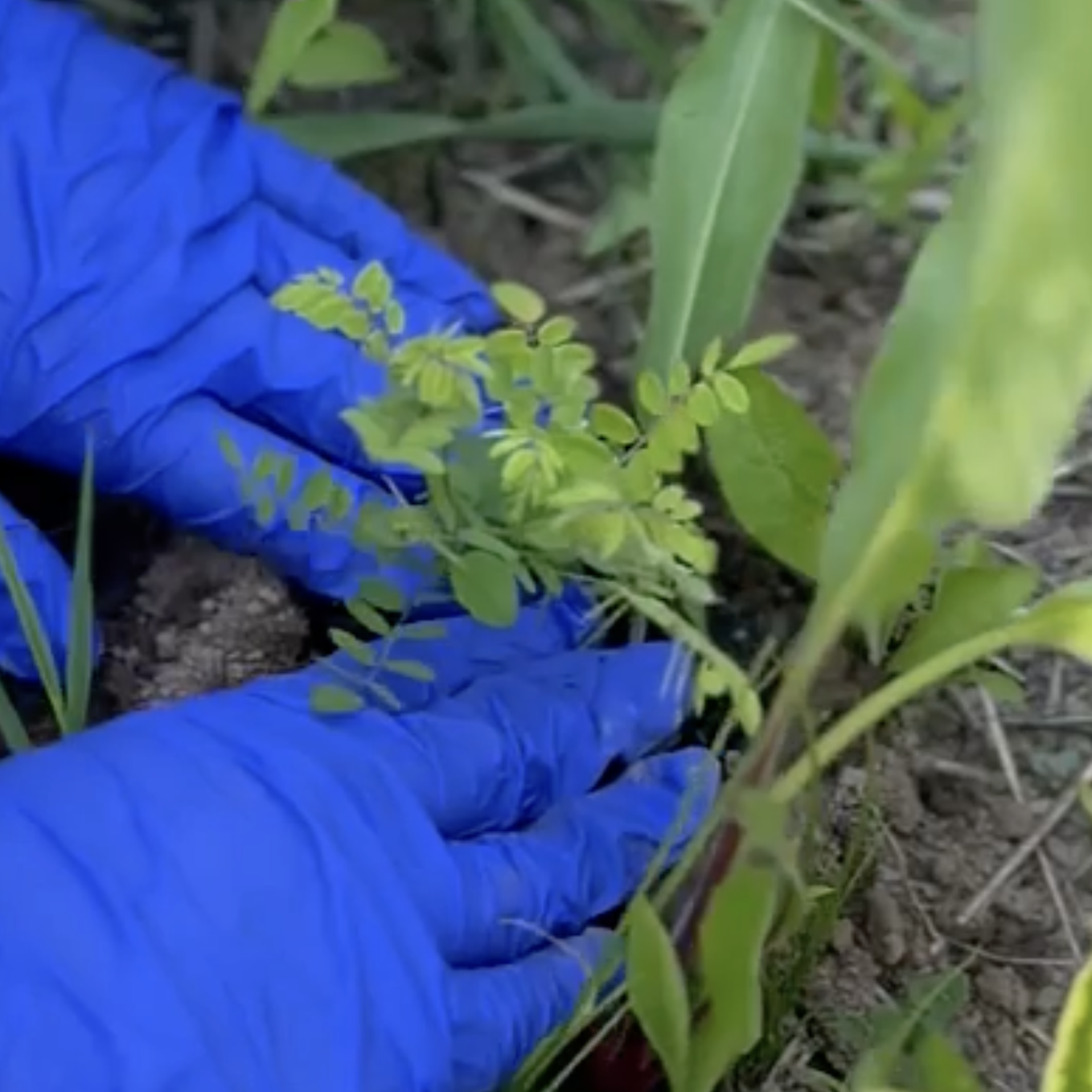
Every fall, volunteers collect native seed from across our sites. In November, we host a large community seed-processing event where hundreds of pounds of seed are cleaned, mixed, and prepared for planting. In 2025, more than 70 volunteers participated in this annual event.
Most processed seed is redistributed directly onto restoration sites to increase plant diversity and strengthen native populations. We also partner with the Chicago Botanic Garden and local specialists to grow native starter plants from collected seed. Each spring and summer, thousands of these plugs are hand-planted into restoration areas to accelerate recovery.
This cycle—collect, process, plant, and monitor—is how biodiversity steadily increases year after year.
Monitoring & Adaptive Management
Restoration is guided by data.
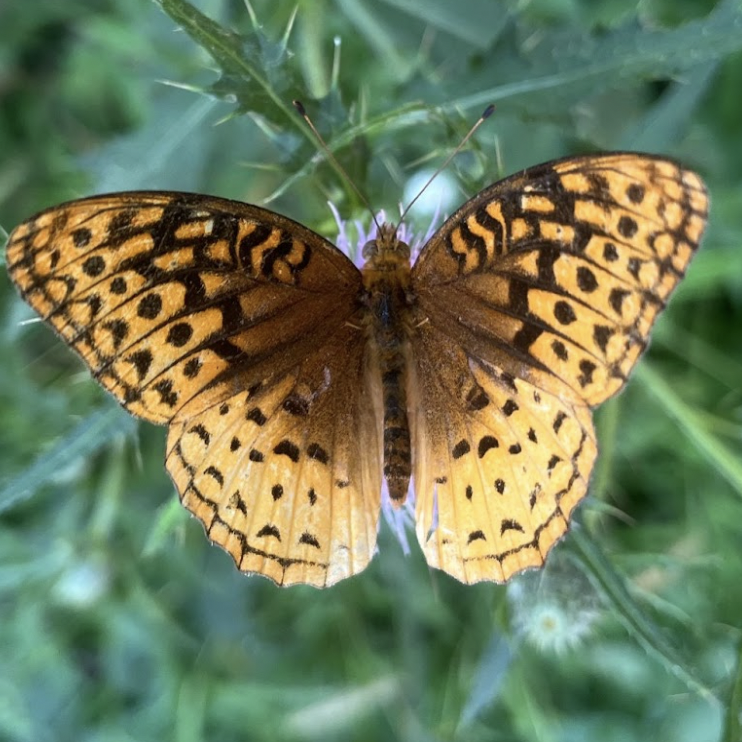
We conduct long-term monitoring of plants, birds, butterflies, and dragonflies to measure ecological response. Bird monitoring alone has been conducted for more than 15 consecutive years using standardized point counts.
Monitoring allows us to adapt. If a species declines, we adjust management. If biodiversity increases, we build on what’s working.
Restoration is not a one-time action. It is an ongoing process of stewardship, learning, and refinement.
Forestry Mowing & Contractor Support
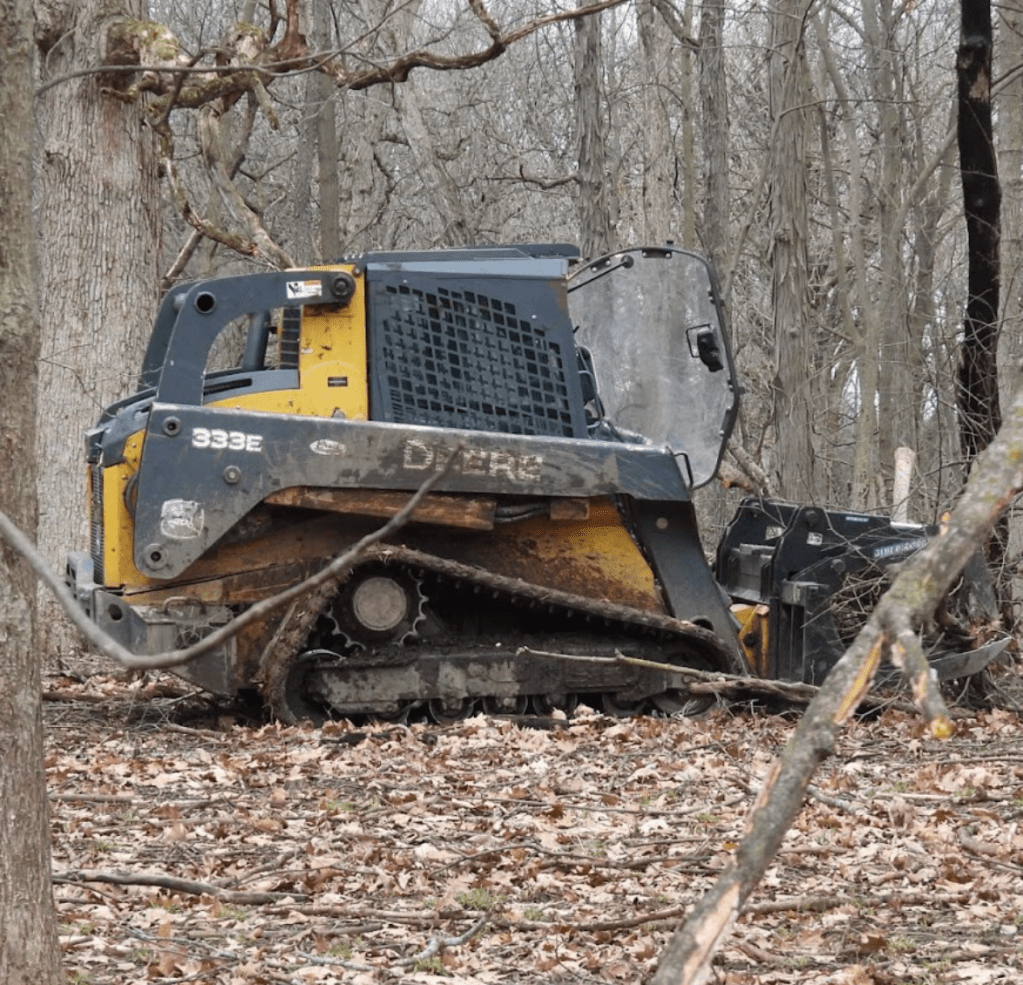
Some areas require larger-scale intervention to reset heavily degraded habitat. Forestry mowing removes dense thickets of invasive brush and small trees that would take years to clear by hand.
This work is performed by professional ecological restoration contractors and funded through FPCC, grants, and community support. Contractor work accelerates restoration timelines and allows volunteers to focus on follow-up care, seeding, and long-term management.
Additional mowing of invasive plants is occasionally done in prairies by FPCC staff.
Targeted Herbicide Application
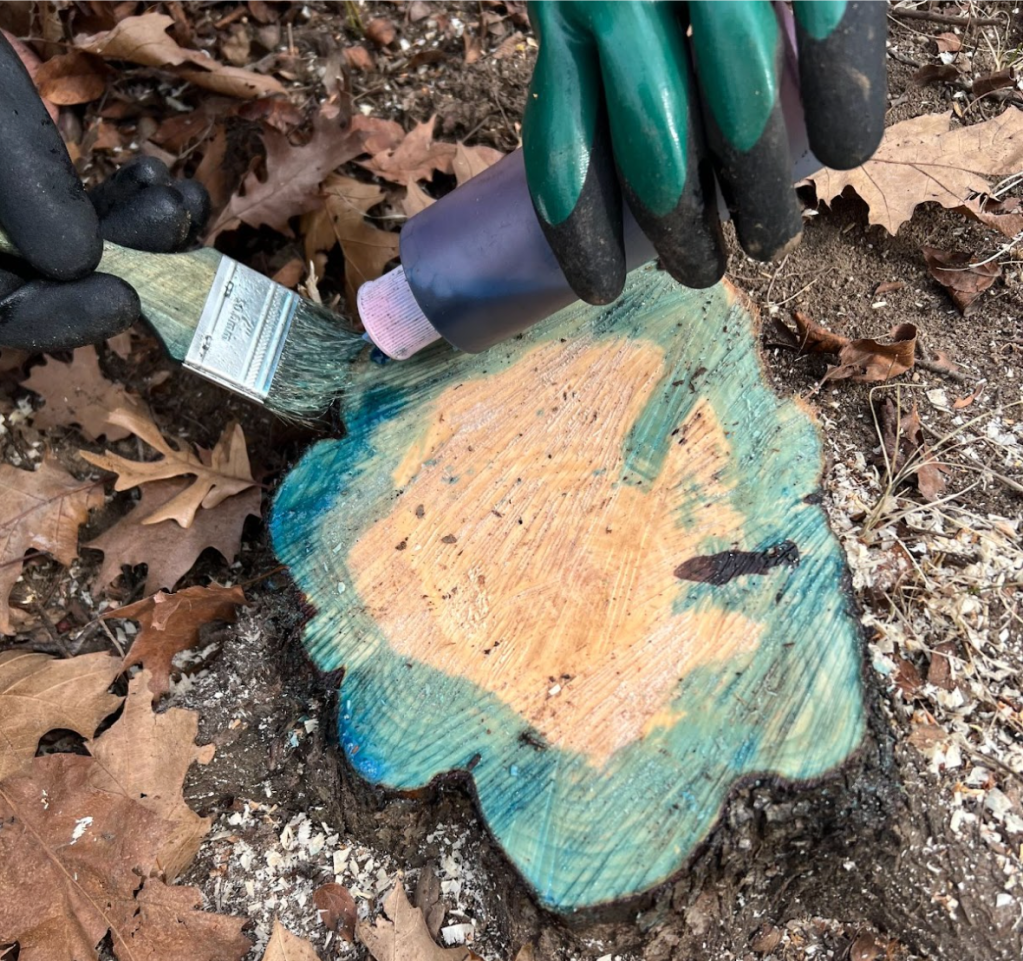
While we prioritize mechanical and manual methods whenever possible, limited spot herbiciding is often the most effective and least disruptive tool for controlling persistent invasives at landscape scale.
When applied precisely, cut-stump, basal bark, and targeted foliar herbicide treatments prevent re-sprouting and reduce the need for repeated soil disturbance. This allows native plants to reestablish more quickly and reduces long-term chemical use.
All herbicide applicators are licensed by the Illinois Department of Agriculture. Applications are strategic, minimal, and focused solely on invasive species.
Frequently Asked Questions
I see you’ve built a fire. Does that mean I can build a fire in the forest preserve?
No. Burn piles and prescribed fires are carefully planned, permitted, and supervised as part of official restoration work in partnership with the Forest Preserves of Cook County. They are conducted only by trained and certified personnel under strict safety protocols. Recreational fires are not permitted in restoration areas.
Why not just let nature take its course?
Most native species were nearly extirpated across Illinois. In fact only one 100th of one percent of our original prairie remains. And the invasive species that were introduced by humans were not brought here with the organisms that kill or eat them, which allows them to outcompete native plants. Active management is necessary to restore biodiversity and rebuild healthy native ecosystems.
Why do I see lots of flags at the site?
We use flags to mark seeding locations. We also use flags to mark where we plant plugs so that we can water them if necessary and monitor their survival.
Can I bring my dog into restoration areas?
Dogs are welcome in designated Forest Preserve areas but should remain on marked trails and on leash. Please follow the directions on any posted signs around restoration zones. These zones may contain sensitive habitat or active management work.
How can I get involved?
We welcome volunteers of all experience levels. Visit our Volunteer page to learn about workdays, student service opportunities, and corporate group involvement.
Why does the site sometimes look “messy” after restoration work?
Restoration can temporarily look disruptive—brush piles, cut stems, or blackened areas after burns are part of the ecological recovery process. Come back in the growing season after a burn and see a wonderful transformation. Within two years of our removal of woodland invasives you will see a dramatic response.

