Our Sites
Three Decades of Habitat Restoration
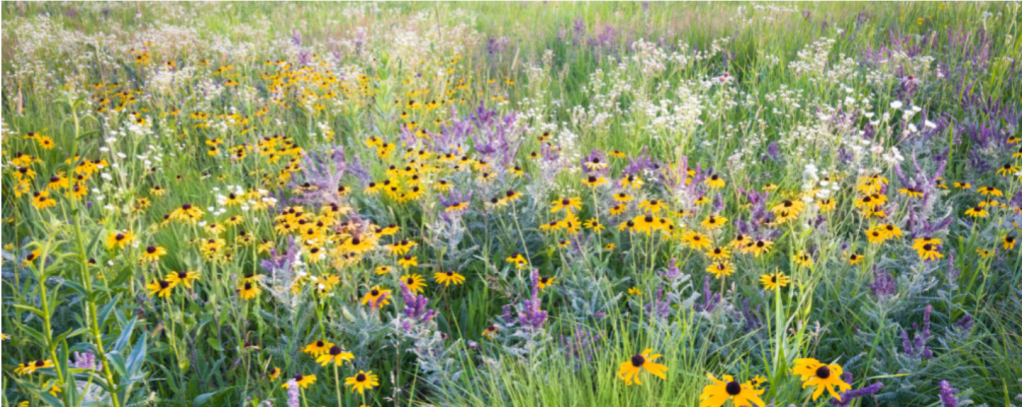
For more than thirty-five years, Poplar Creek Prairie Stewards (PCPS) has worked to restore native prairie, woodland, and wetland habitat in northwest Cook County, Illinois.
When our work began in 1989, only small pockets of remnant native vegetation remained — including the 9-acre Shoe Factory Road Nature Preserve and 37 acres of Oak-Hickory woodland. Today, thanks to sustained volunteer effort and partnership with the Forest Preserves of Cook County, hundreds of acres have been restored and the landscape has been transformed into one of the region’s most significant community-led restoration successes.
Volunteer-Powered Restoration
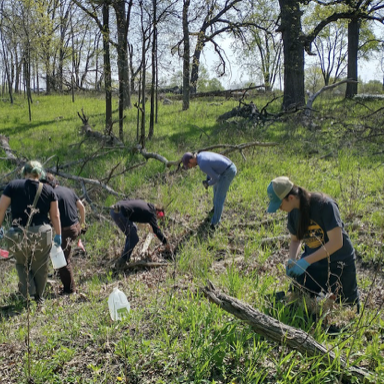
PCPS is a volunteer-driven organization. Our workdays take place year-round and include seed collecting, planting, invasive species control, brush removal, habitat monitoring, and leadership development.
Each year, hundreds of volunteers spend thousands of hours in restoration activities.
But our volunteers don’t do it all alone. Forest Preserve District of Cook County (FPDCC) is a steadfast partner, providing expert guidance, training, and support. Additionally, after becoming a registered 501(c)(3) not-for-profit Public Charity in 2023, PCPS has begun expanding our impact through contractor-supported projects funded by grants from our sponsors.
In 2024 alone, these collective efforts of volunteers, contractors and FPDCC resulted in:
- 11.15 acres cleared of invasive brush
- 200 acres managed through prescribed burns
- 4.48 acres seeded with native mixes
- Hundreds of acres cleared of herbaceous invasive species
Learn about how we do what we do on our Restoration Methods page.
Statewide Recognition of Local Stewardship
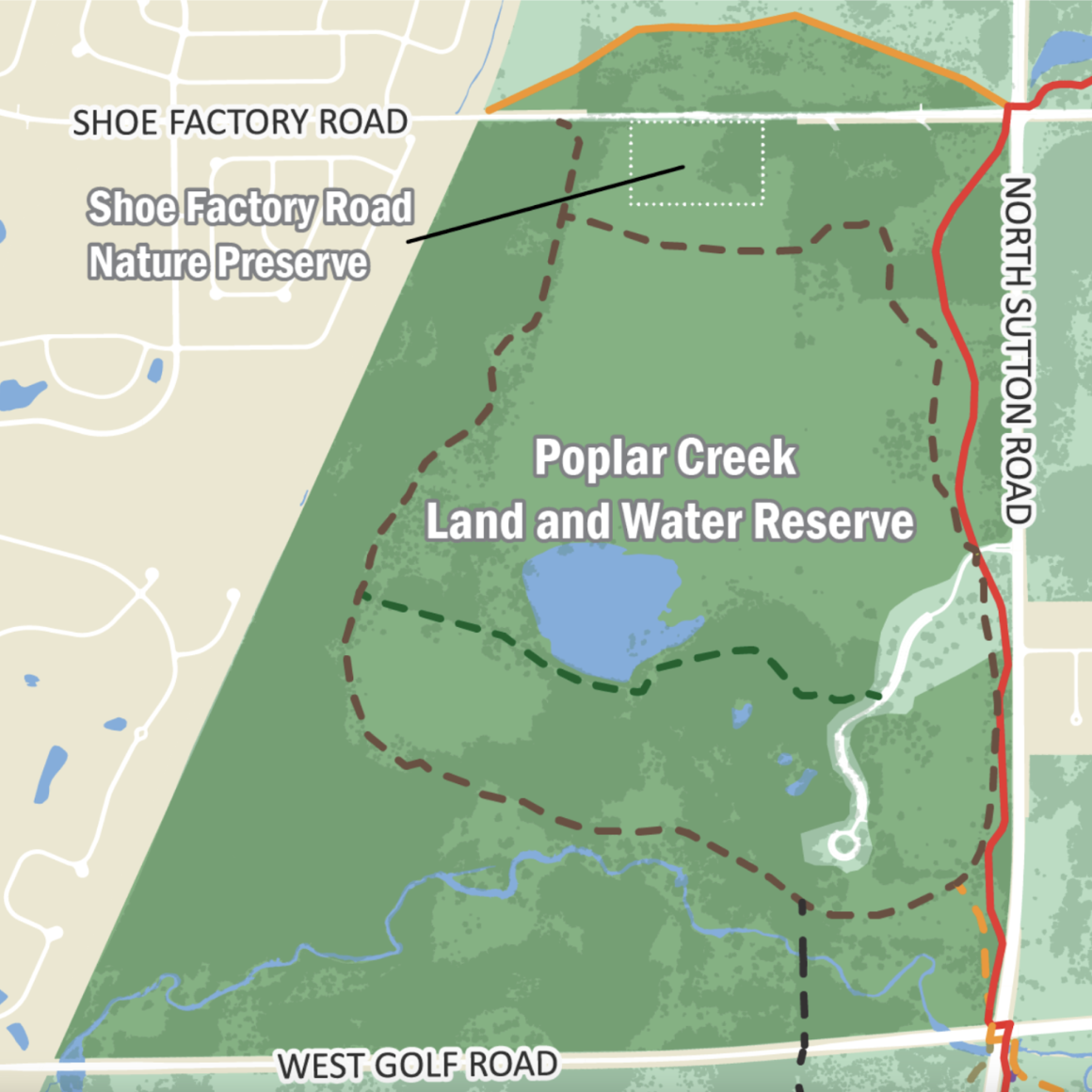
In March of 2023, the Illinois Nature Preserves Commission and the FPCC designated 572 acres of the Carl Hansen site as the Poplar Creek Land and Water Reserve.
This significant achievement provides extra legal protection to the site and is a direct result of the quality of our restoration and the dedicated efforts of our many volunteers over the past 37 years.
The land was once largely agricultural land dotted with remnant woodlands and prairies, but through significant restoration investment and decades of volunteer leadership, it has been transformed into thriving native prairie, savanna, mesic woodland, and streamside fen ecosystems. Today, the site supports at least 27 plant and wildlife species identified as being in the greatest need of conservation, provides critical habitat for grassland birds sensitive to fragmentation, and serves as an important ecological buffer to the adjacent Shoe Factory Road Nature Preserve.
Invasive Species Control
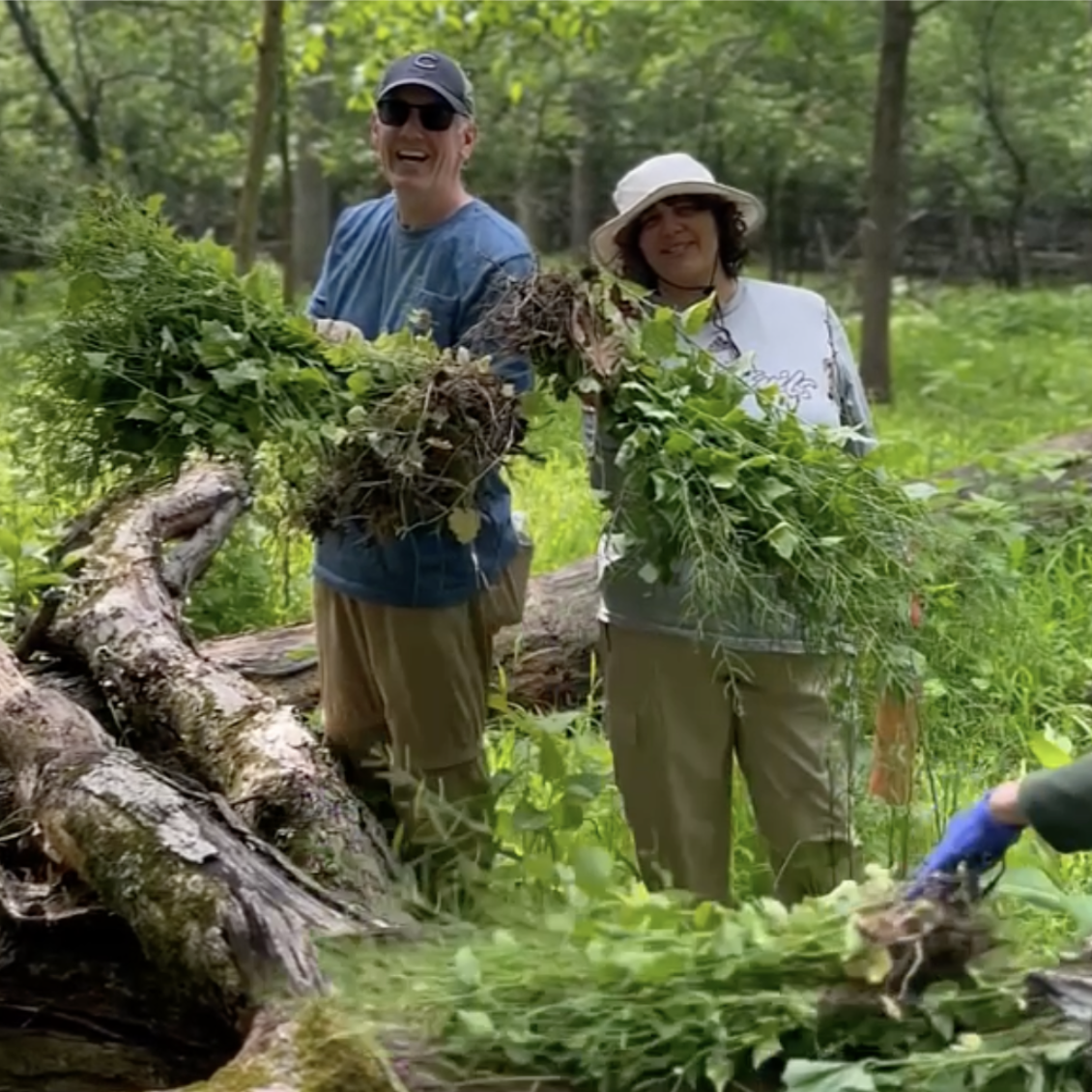
Invasive species control is one of the most visible and ongoing aspects of restoration. This work ensures that native plants, pollinators, and birds can reclaim habitat once dominated by aggressive non-native growth.
Sustained, long-term management continues to yield measurable results across the preserve. For example, 2024 saw the following results:
- 73 acres of Garlic Mustard controlled
- 72 acres of Japanese Hedge Parsley controlled
- 133 acres of Bird’s Foot Trefoil treated
- 143 acres managed for Teasel (Common and Cut-Leaved)
- 150 acres treated for invasive thistles
- 62 acres treated for Reed Canary Grass
- 13 acres of Japanese Barberry cut and herbicided
- 11 acres cleared of invasive brush
In many cases, these numbers reflect repeat visits and follow-up treatments across large management units — a testament to sustained stewardship and adaptive management over time.
Increasing Biodiversity
Increasing biodiversity is the long-term goal of restoration. By clearing invasive brush, conducting prescribed burns, collecting and planting native seed, and carefully monitoring plant and wildlife communities, we create the conditions that allow native species to return and thrive.
In 2024, this work yielded measurable ecological gains across the preserve:
- 4.48 acres newly seeded with native woodland and prairie mixes
- 200 acres treated with prescribed fire to stimulate native growth
- 97 hours spent collecting native seed for restoration efforts
- 80 native woodland species now documented in the Southwest Woods remnant area
- 15 consecutive years of formal grassland and shrubland bird monitoring
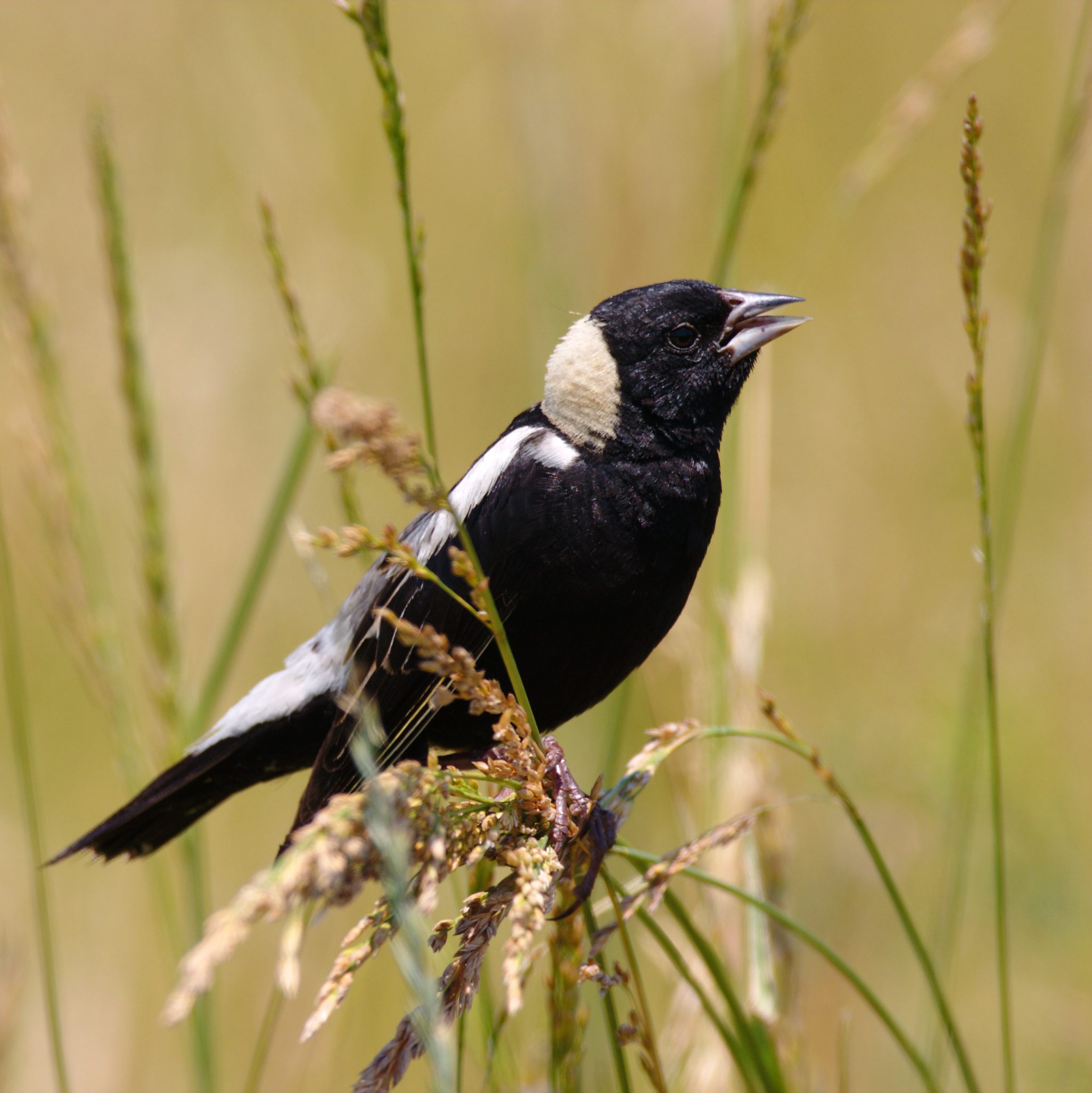
- Record bird observations including Bobolinks at an eight-year high and first-ever sightings of Summer Tanager and Olive-sided Flycatcher
Through sustained stewardship, biodiversity continues to expand across prairie, woodland, and wetland habitats—strengthening ecological resilience and restoring native Illinois landscapes for generations to come.
Expanding Our Impact
As we celebrate these victories, we’re also setting our sights on the new challenges and opportunities that await
If you are an individual who would like to support our efforts, we hope you will volunteer at one of our upcoming workdays. You might also consider donating to support our ongoing efforts. Every dollar you contribute fuels our mission, enabling us to continue our vital work in the woodlands, prairies, and wetlands of Northwest Cook County, Illinois.If you are a foundation, institutional partner, or grantmaker seeking detailed metrics, organizational information, or partnership opportunities, please visit our For Funders page.
 Poplar Creek Prairie Stewards